Birthstone colours for january: The ultimate guide to January gems
Birthstone colours for january: Discover garnet's full spectrum - from red to greens, oranges, and colour-changing gems.
If you were born in January, you might think your birthstone is a classic, deep red garnet. And you'd be right... but that's only part of the story. While that rich, velvety red is the colour everyone knows, the garnet family is actually a kaleidoscope of stunning hues, from fiery oranges to lush greens and even some rare colour-changing varieties.
Uncovering the True Colours of January’s Birthstone
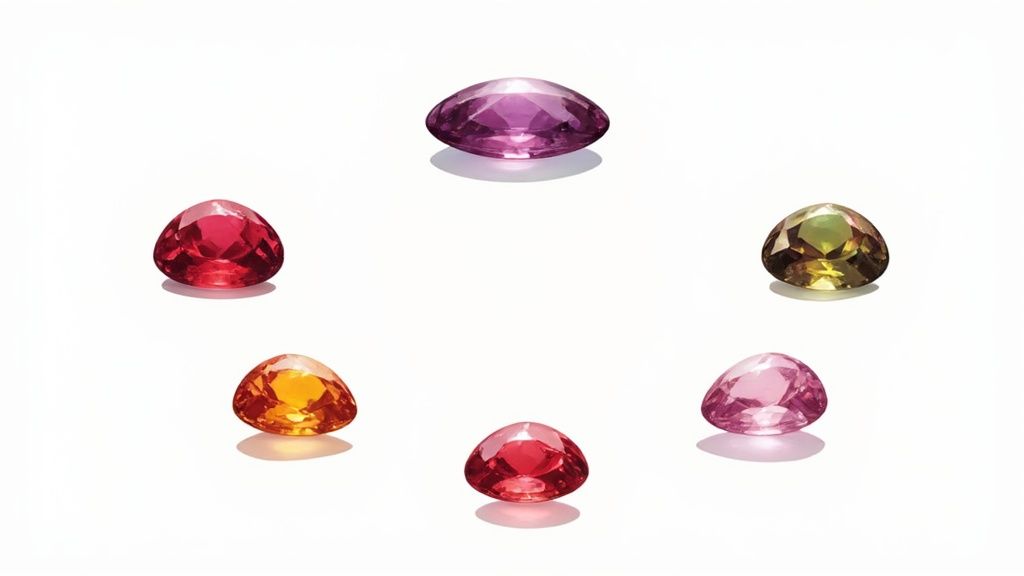
When someone says “garnet,” the image that springs to mind is almost always that of a pomegranate seed—a deep, glowing red. This classic colour has defined the January birthstone for generations, but it only scratches the surface of what’s possible.
‘Garnet’ isn't just one mineral. It’s a diverse group of closely related silicate minerals, which means a whole world of colour opens up for those born in January.
This strong connection to red has deep roots here in the UK. Back in the Victorian era, deep-red Bohemian garnets were all the rage, imported in huge numbers and becoming a staple in British jewellery. This solidified the public's idea of garnet as a purely red stone. Even the name, from the medieval Latin 'granatus' (pomegranate), reinforces this link.
Beyond the Classic Red
While that traditional red is undeniably timeless, the full spectrum of garnet colours means there’s a shade for every personality and style. Just imagine the possibilities:
- Fiery Oranges: Spessartine garnets have an intense, sunset-like glow.
- Lush Greens: Tsavorite and Demantoid garnets are so vibrant they can give the finest emeralds a run for their money.
- Royal Purples: Rhodolite garnets offer a majestic blend of red and violet.
- Warm Pinks: Mahenge garnets boast incredible, almost-neon pink tones.
This amazing variety makes January's birthstone far more versatile than most people realise. It can be classic and understated or bold and contemporary—it all depends on the colour you choose.
To really appreciate the depth and story behind this gem, it's worth exploring its rich history and the meanings attached to it. You can learn more about Garnet Healing Properties, History, and Benefits to understand its full story. Let's journey beyond the expected and discover a gemstone as unique as you are.
The Enduring Appeal of Classic Red Garnet
When you picture January’s birthstone, your mind almost certainly lands on a deep, passionate red. It’s the iconic hue that has defined garnet for centuries, making it a timeless symbol of love, strength, and protection. Its appeal is steeped in history, especially in Victorian Britain, where it was an absolute jewellery box staple.
This classic colour isn’t just one single note; it’s a whole symphony of reds. Think of it like a fine wine, with a spectrum stretching from a bright, fruity crimson all the way to a deep, velvety burgundy. This beautiful variation comes from different types within the garnet family, each lending its own unique character to the stone.
The two main stars behind these famous reds are Pyrope and Almandine. Pyrope tends to give us the fiery, more vibrant reds, while Almandine delivers the deeper, sometimes purplish-red tones. You can see this natural beauty showcased perfectly in raw specimens like Almandine garnets on microcline and quartz.
Symbolism Woven into Colour
The connection between red garnet and powerful emotions is no accident. Throughout history, this gemstone was believed to hold immense power. Warriors wore it for protection in battle, and it was exchanged between loved ones as a promise of eternal love and a safe return.
The deep red of a garnet was historically seen as a light in the darkness, believed to guide and protect the wearer on their journey. It represents not just romantic love, but also deep friendship, loyalty, and unwavering strength.
This rich symbolism is exactly why red garnet remains such a popular choice for meaningful gifts. Giving a red garnet is like offering a piece of history, filled with wishes for safety, passion, and a lasting connection.
Timeless Style in Modern Jewellery
Despite its ancient roots, red garnet feels perfectly at home in modern jewellery. Its incredible versatility allows it to shine in all sorts of settings and styles, proving its everlasting appeal.
- Classic Solitaires: A single, beautifully cut red garnet in a simple setting makes a powerful and elegant statement. It’s perfect for a ring or pendant.
- Contemporary Designs: The bold colour contrasts stunningly with cool metals like platinum or white gold, creating a really striking, modern look.
- Vintage-Inspired Pieces: Set in yellow gold, red garnet instantly evokes the romantic charm of Victorian-era jewellery, adding a touch of antique elegance.
Whether you're drawn to its history, its deep symbolism, or simply its stunning beauty, the classic red garnet offers a powerful and personal connection. It's so much more than just a birthstone; it’s a story of passion and protection, captured in a single, magnificent gem.
A Rainbow of Garnets: Exploring the Full Spectrum
When you think of a garnet, that classic deep red probably springs to mind. It's the undisputed star of January, but it’s just one member of a large and brilliantly colourful family.
Thinking of garnet as only red is like thinking of roses as only red; you’d miss out on a whole garden of stunning possibilities. The garnet group is actually a collection of different mineral species. Each one has its own unique chemistry, and with it, its own gorgeous colour palette.
This variety often comes as a surprise, especially here in the UK where red garnets have such a strong historical presence. But the reality of the jewellery trade tells a far more vibrant story. While over 80% of garnets sold in the UK are the classic red Almandine and Pyrope types, a growing appreciation for the other 20% is revealing a world of mandarin oranges, raspberry pinks, and lush greens.
This diversity directly impacts availability and price. Rare green varieties, for instance, command significantly higher values than their common red cousins. To see exactly how colour affects a garnet's value, you can discover more about garnet varieties at Faberge.com.
Meet the Garnet Family
Let’s step beyond the traditional and get acquainted with some of the most captivating members of the garnet spectrum. Each one has a distinct personality, offering a unique way to celebrate a January birthday.
- Spessartine Garnet: Known for its brilliant, fiery glow, Spessartine ranges from a warm yellow-orange to a deep, zesty mandarin. It just radiates energy and creativity.
- Rhodolite Garnet: A beautiful hybrid of Almandine and Pyrope, Rhodolite displays enchanting raspberry-red or purplish-pink hues. It’s the perfect blend of passion and elegance.
- Grossular Garnet: This is where the colour palette really explodes. Grossular gives us the cinnamon-coloured Hessonite and the most prized green of all, Tsavorite. Tsavorite is famous for its intense, vivid green that can rival an emerald, but with superior brilliance.
This infographic breaks down the key aspects of the classic red garnet, from its symbolism to its most common types.
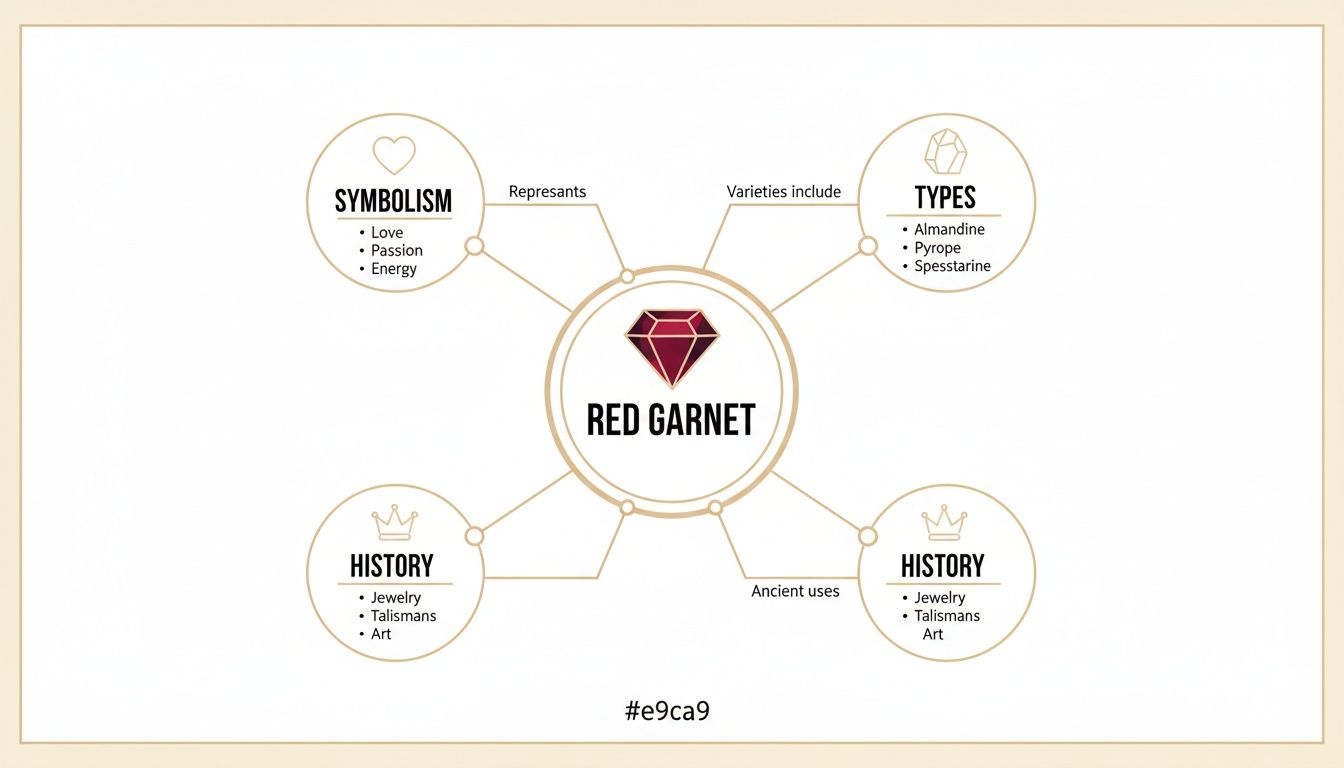
As you can see, the red garnet's identity is deeply intertwined with its history and the meanings of love and protection that we’ve given it over centuries.
The Rarest of Them All
Beyond these, there are even more unusual and highly sought-after varieties that showcase the true diversity of January's birthstone.
One of the most fascinating types is the Colour-Change Garnet. Under different lighting conditions, these phenomenal gems can shift from a blue-green in daylight to a purplish-red under incandescent light, making them a true collector's item.
To help you compare the most popular options at a glance, we've put together a quick guide.
A Guide to Garnet Varieties and Their Colours
This table offers a snapshot of the garnet family, comparing their unique characteristics, what they symbolise, and what you might expect to pay for them in the UK.
| Garnet Variety | Primary Colour(s) | Associated Meaning | Typical UK Price Range |
|---|---|---|---|
| Almandine/Pyrope | Deep Red to Burgundy | Passion, Love, Protection | £50 - £400 |
| Rhodolite | Purplish-Red, Raspberry | Inspiration, Emotional Healing | £80 - £700 |
| Spessartine | Bright Orange to Red-Orange | Creativity, Confidence | £150 - £1,500+ |
| Tsavorite | Vivid Green | Prosperity, Vitality | £400 - £4,000+ |
This amazing spectrum proves that the birthstone for January is far from a one-note gem. It’s a whole world of vibrant options, just waiting to be discovered.
How to Choose the Right Garnet Colour for You
With a whole rainbow of garnet colours on offer, finding the perfect one is exciting, but it can also feel a little overwhelming. How do you land on a stone that truly feels like you? The best approach comes down to three things: your personal style, the jewellery setting, and the meaning you want it to hold.
Trust your gut. Thinking about your own style is the best place to start. Are you drawn to warm, fiery tones that make a bold statement? If so, the vibrant mandarin orange of a Spessartine garnet might be a perfect match. Or maybe you prefer cooler, more understated elegance? In that case, the lush, earthy green of a Tsavorite could be a beautiful choice.
The colour you’re instinctively attracted to is often the one that will best complement your wardrobe and personality. That’s the secret to choosing a piece you’ll love to wear for years to come.
Matching Colour to Metal and Meaning
The metal you choose for your setting can completely change a garnet’s appearance. The right combination makes the stone’s natural beauty pop.
- Yellow Gold: This classic choice brings out the warmth in red, orange, and brown garnets like Almandine and Hessonite, creating a rich, almost vintage feel.
- White Gold or Platinum: These cool-toned metals create a stunning contrast that makes vibrant greens like Tsavorite and purplish Rhodolites look even more vivid and striking.
- Rose Gold: The soft, pinkish hue of rose gold is a beautiful partner for Rhodolite and the rare pink Mahenge garnets, producing a romantic and cohesive look.
Beyond looks, think about the story you want your jewellery to tell. Gemstones have carried symbolic meanings for centuries, and choosing a colour based on its message adds a wonderful layer of depth.
A deep red garnet might symbolise enduring love and protection, making it a perfect gift for a partner. A bright green Tsavorite, on the other hand, often represents new beginnings and prosperity—ideal for celebrating a milestone like a graduation or a new venture.
Making an Informed Decision
Ultimately, choosing the right garnet is a personal journey. Think about who the jewellery is for and what parts of their personality you want to reflect. A creative, energetic person might adore an orange Spessartine, while someone with a calm, nurturing spirit may connect more with a green Tsavorite.
This thoughtful approach isn’t just for garnets. The same principles of matching colour and meaning apply when choosing other precious stones. For instance, as we explore in our guide to selecting a sapphire engagement ring, the specific hue carries significant emotional weight.
By balancing personal taste, the right metal setting, and the meaning behind the colour, you can confidently choose a garnet that isn't just a beautiful accessory, but a true expression of who you are.
Keeping Your Garnet Jewellery Looking Its Best
Your garnet jewellery is a treasured possession, and with the right care, its fiery brilliance can last a lifetime. Thankfully, garnets are quite durable, ranking between 6.5 and 7.5 on the Mohs scale of hardness.
This makes them more than suitable for regular wear, but they still need a bit of mindful handling to stay in perfect condition. It all comes down to gentle cleaning, smart storage, and knowing what to avoid.
The best way to clean your garnet is refreshingly simple. All you need is a bowl of warm water with a few drops of mild dish soap. Let your jewellery soak for a couple of minutes, then use a very soft-bristled toothbrush to gently clear away any build-up from behind the stone where lotions and oils can collect.
A common mistake is reaching for harsh chemicals like bleach or abrasive cleaners. These can easily damage the gemstone or its setting over time. Always stick to gentle, approved methods to protect your piece.
After its bath, rinse your jewellery under warm running water and pat it dry with a soft, lint-free cloth. This simple routine is all it takes to keep your garnet sparkling. For more detailed advice that applies to all your favourite pieces, check out our comprehensive guide on how to clean rings at home.
Proper Storage and What to Avoid
How you store your garnet is just as important as how you clean it. To prevent accidental scratches, it’s always best to keep your garnet pieces from knocking against harder gemstones like diamonds or sapphires.
- Use a soft pouch: A dedicated fabric pouch for each item is an excellent way to protect it.
- A compartmentalised box: A lined jewellery box with separate sections keeps pieces safely apart.
Finally, remember to protect your garnet from hard knocks and extreme temperature swings. It’s wise to take it off before getting stuck into strenuous activities like sports or gardening, and always remove it before using harsh household chemicals. A little bit of prevention goes a very long way in preserving its beauty.
When to Trust a Professional with Your Garnet
While home care is fantastic for routine upkeep, some jobs need the skilled hands and specialised tools of a professional jeweller. Think of it as the difference between washing your car and getting a full service—both are important, but they serve different purposes.
Professional help becomes essential for anything beyond a simple clean. Intricate repairs, like tightening a loose stone or fixing a damaged setting, demand workshop precision. Over time, even the most cherished garnet can look a bit tired from micro-scratches, but a professional polish can restore its original fire completely.
Expert Solutions for Complex Problems
Most people come to us when they need to restore their jewellery to its original glory. These situations are where an expert's touch really makes all the difference.
- Intricate Setting Repairs: If a prong or claw holding your garnet is bent or broken, the stone's security is at risk. A jeweller can meticulously retip or replace these to keep your gem safe.
- Deep Polishing: To erase surface-level scratches and bring back that showroom sparkle, nothing beats a professional polish.
- Secure Stone Resetting: If your garnet feels even slightly loose in its setting, it's a clear sign to see a professional before the stone is lost for good.
The real test of skill? Colour-matching a lost stone in a multi-gem piece. Sourcing a garnet that perfectly matches the hue, saturation, and cut of the others is a specialist task. It requires a trained eye and access to a wide network of gemstone suppliers.
At Opulence Jewellery Services, we handle these delicate jobs with the utmost care. If you need to replace a lost gem, our expert gemstone replacement services guarantee a seamless and precise match, preserving the beauty of your piece for years to come.
Your Garnet Colour Questions, Answered
When you dive into the world of garnets, it’s natural to have a few questions, especially once you see just how varied they are. To clear things up, we've put together answers to some of the most common queries we hear.
What Is the Rarest Garnet Colour?
Most people picture a deep red, but the rarest and often most valuable garnet is actually a brilliant green. Two varieties, Tsavorite and Demantoid, are breathtakingly beautiful and prized for a fire and intensity that can give fine emeralds a run for their money.
Then there’s the Colour-Change Garnet, a true collector's piece. These incredible gems shift from a blue-green in daylight to a warm purplish-red under indoor lighting. They’re exceptionally rare and a real wonder to behold.
Is Garnet a Good Choice for an Engagement Ring?
Absolutely. A garnet can make for a stunning and deeply personal engagement ring. It scores between 6.5 and 7.5 on the Mohs scale of hardness, which means it’s tough enough for everyday wear as long as you treat it with a little common sense.
For an engagement ring, we’d suggest a protective setting like a bezel or a halo. This gives the stone extra security, which is perfect if you have an active lifestyle.
Why Is Red the Most Common Garnet Colour?
Red became the classic January birthstone colour for a simple reason: availability. The Almandine and Pyrope varieties, with their gorgeous deep red hues, are the most abundant garnets found around the world.
This made them accessible and popular, especially in Victorian jewellery, cementing red as the go-to garnet in everyone's mind. The tradition is still going strong in the UK, where retailers often see a 25% to 60% jump in red garnet sales every January. If you're interested in the numbers behind the trend, you can explore UK market trends and pricing for January's birthstone.
How Can I Tell If My Garnet Is Real?
While a qualified gemmologist is the only one who can give you a definitive answer, there are a few things to look for. Natural garnets nearly always have tiny imperfections (we call them inclusions) that you can see under magnification. A stone that looks completely flawless might be glass or a synthetic imitation.
One of the key giveaways is a garnet's lustre and sparkle. If the stone looks a bit dull or has a uniform, almost plastic-like quality, it’s a red flag. For true peace of mind, though, a professional appraisal is always the best way to go.
Whether your garnet needs a professional clean to restore its sparkle, a prong tightened, or a perfectly colour-matched replacement stone, our experts at Opulence Jewellery Services are here to help. Pop into our Hatton Garden workshop or explore our services online to keep your treasured pieces looking their best.