How to Prevent Silver from Tarnishing and Keep It Brilliant
Discover how to prevent silver from tarnishing with expert tips on storage, cleaning, and daily care. Keep your jewellery shining like new.
That frustrating, dark film you see on your favourite silver pieces? That's tarnish. It's not rust—silver doesn't rust—but the result of a very specific chemical reaction. When silver meets sulphur-containing gases in the air, it forms silver sulphide, which is that blackish layer that dulls the surface.
If you’ve ever wondered why your silver jewellery tarnishes so quickly, it all comes down to chemistry and what your pieces are made of.
Why Silver Tarnishes and How to Stop It
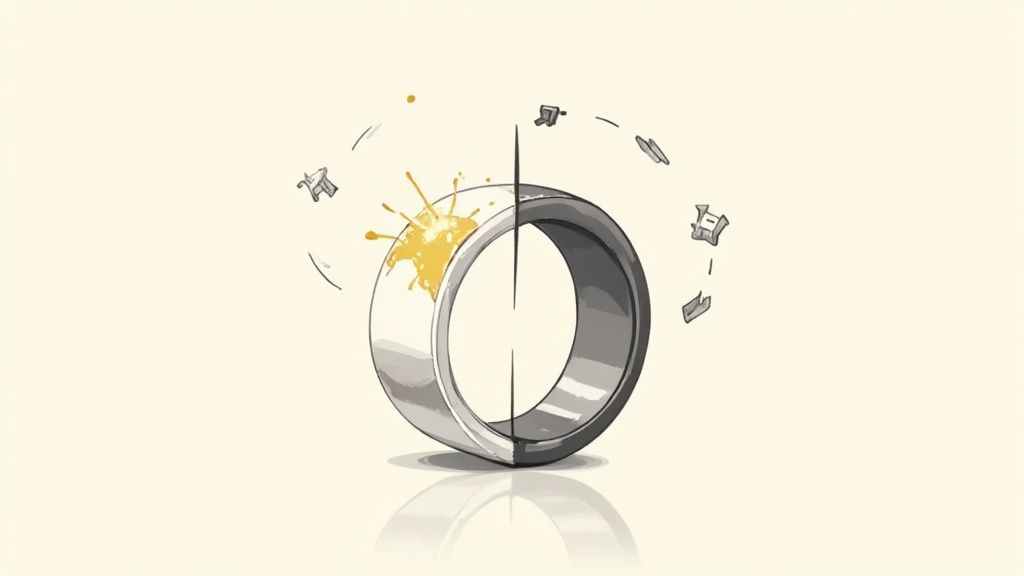
The process is especially noticeable with sterling silver. Pure silver is actually too soft for most jewellery, so it's mixed with other metals to make it durable enough for daily wear. The most common mix is sterling silver, which is 92.5% silver and 7.5% other metals (usually copper).
While this alloy makes the jewellery much stronger, the copper is highly reactive to sulphur and humidity. It's the secret ingredient that gives sterling silver its strength, but it's also what accelerates the tarnishing process.
The Science Behind the Discolouration
Think of tarnish as an unattractive, self-defence mechanism. The silver is forming a shield to protect itself from further corrosion. The culprits—those sulphur compounds—are all around us, often in places you wouldn't expect:
- The air itself, especially in polluted urban areas.
- Certain foods like eggs, onions, and mayonnaise.
- Everyday products like cosmetics, lotions, perfumes, and hairsprays.
- Even the natural oils on your skin.
- Materials like wool, felt, and rubber bands.
Moisture is the catalyst that kicks this reaction into high gear. This is why a humid day or leaving your jewellery in the bathroom can cause it to discolour surprisingly fast.
Your First Line of Defence
Knowing what causes tarnish is the first step to preventing it. Here in the UK, with our often damp climate, proper handling and storage are everything. The core principle is simple: limit your silver's contact with air and moisture.
The less exposure your silver has to the elements, the longer it will keep its brilliant shine. It all comes down to controlling its environment.
This foundational knowledge is the key. By proactively stopping tarnish before it even has a chance to form, you save yourself a lot of cleaning down the line. We’ll get into the specific storage solutions and daily habits next, but it all starts with understanding the basic chemistry at play.
To make it even easier, here's a quick checklist of the most effective actions you can take right now to protect your silver.
Quick Tarnish Prevention Checklist
| Prevention Area | Key Action | Why It Works |
|---|---|---|
| Daily Wear | Put jewellery on last, after perfumes and lotions. | Minimises direct contact with chemicals that accelerate tarnishing. |
| Storage | Store in an airtight bag or box with an anti-tarnish strip. | Blocks out sulphur-filled air and humidity, the two main causes of tarnish. |
| Cleaning | Wipe with a soft, dry cloth after each wear. | Removes skin oils, moisture, and residue before they can react with the metal. |
| Environment | Never leave silver in the bathroom or on a kitchen worktop. | Avoids high-humidity areas and exposure to sulphur from food, which speed up the process. |
| Active Use | Remove rings and bracelets before washing hands or swimming. | Prevents contact with moisture, soaps, and chemicals like chlorine that cause damage. |
Following these simple rules creates a powerful defence against discolouration, keeping your pieces looking their best for much longer.
The Best Ways to Store Your Silver Jewellery
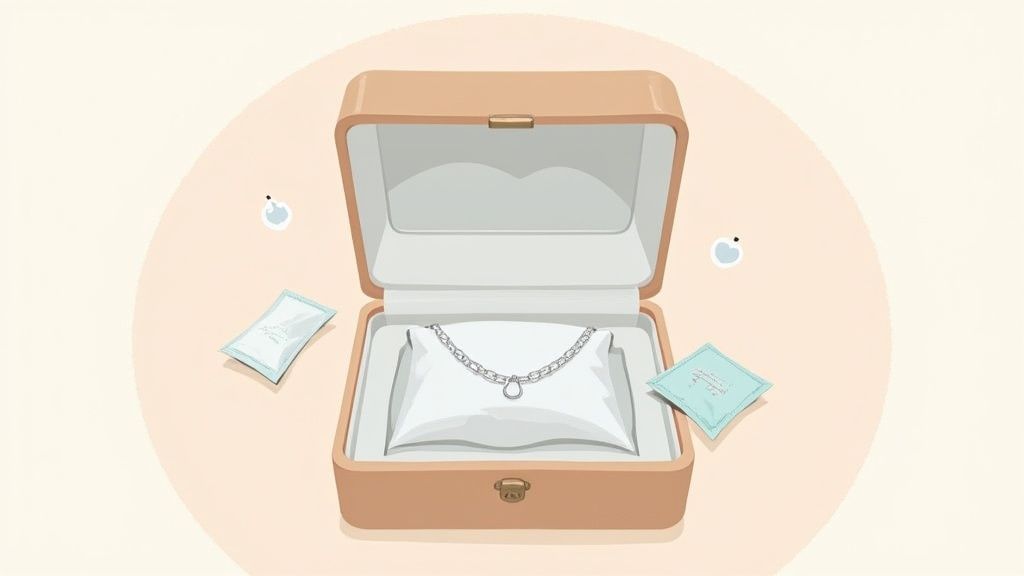
Your beautiful jewellery box might look the part, but it could be the main culprit behind your tarnishing troubles. Getting the storage environment right is your single greatest defence, turning silver care from a constant battle into a simple, effective routine.
It’s all about creating a stable, controlled space that shields your pieces from the things that cause discolouration.
The two biggest enemies of silver are airborne sulphur and moisture. Your goal is to keep your jewellery away from both. Simply leaving your silver out on a dresser or in an open dish is an open invitation for tarnish, especially in a humid climate like ours in the UK.
Create an Airtight Environment
The most effective way to stop silver from tarnishing is to cut off its air supply. When you limit its exposure to the atmosphere, you stop the chemical reaction before it can even begin. This is far easier than it sounds and doesn't require any fancy equipment.
Consider these simple but powerful solutions:
- Sealable Pouches: Store individual pieces in small, sealable plastic bags. The trick is to squeeze out as much air as possible before you close the seal.
- Anti-Tarnish Bags: It’s worth investing in specially lined bags or cloths. These are treated with compounds that neutralise sulphur in the air, actively protecting the silver.
- Airtight Containers: For a larger collection, a well-sealed box is ideal. Look for one with a tight-fitting lid and a soft, non-reactive lining like felt or velvet.
This principle is so effective, it's used by professionals. Research from English Heritage confirms that environmental control is paramount, showing that reducing sulphur exposure can cut tarnish rates by an incredible 95%. It's exactly why museums use sealed showcases—they virtually halt the process. You can apply that same logic to your own collection at home.
Actively Fight Moisture and Sulphur
Once you’ve got an airtight space sorted, you can add another layer of defence by actively removing any remaining contaminants. These little tools work around the clock to keep the storage environment clean and dry.
Think about those little silica gel packets you find in new shoe boxes. Don't throw them away! Tossing one or two into your jewellery box is a brilliant way to absorb excess moisture, which is the catalyst that speeds up tarnishing.
The secret to brilliant silver isn't constant polishing; it's smart, proactive storage. By controlling the environment where your jewellery lives, you stop tarnish before it has a chance to form.
Other powerful tools include:
- Anti-Tarnish Strips: These are small paper tabs that absorb airborne pollutants, including sulphur. They last for months and are a simple "set it and forget it" solution.
- Activated Charcoal: A small pouch of activated charcoal in your storage container acts as a natural air purifier, trapping the impurities that would otherwise react with your silver.
By combining an airtight container with one of these active solutions, you create the ultimate safe haven for your silver. This approach works just as well for the heirloom cutlery you only use on special occasions as it does for the silver earrings you wear every week.
Simple Daily Habits to Keep Silver Bright
While clever storage solutions are your best long-term defence, it’s the small, consistent actions you take every day that really make a difference. Lasting shine comes from weaving simple habits into your daily routine until silver care becomes second nature.
The golden rule here is “last on, first off.” Your silver jewellery should be the absolute final thing you put on after getting ready and the very first thing you take off when you get home. This simple sequence is surprisingly effective.
Avoid Chemical Exposure from Everyday Products
So many everyday products contain chemicals that react aggressively with silver, speeding up the tarnishing process. By putting your jewellery on last, you create a crucial barrier between the metal and these substances.
Just think about your morning routine:
- Lotions and Creams: Get your body lotions and face creams applied, and give them a few minutes to absorb fully before a necklace or bracelet even comes near your skin.
- Perfumes and Hairsprays: These are particularly harsh culprits. Spritz your perfume and hairspray, let the airborne particles settle completely, and then put on your earrings and chains.
- Makeup: Even foundations and powders can leave a residue that dulls silver's lustre and contributes to grime build-up over time.
This one habit minimises direct contact, protecting your silver from a daily chemical assault that would otherwise have you constantly reaching for the polishing cloth. You can learn more about bringing back that showroom shine in our expert guide on how to properly polish a ring.
Be Mindful During Household Chores
Certain household activities are definite no-go zones for silver jewellery. Water on its own isn't the main enemy, but the chemicals and compounds mixed with it are. Always, always slip your rings and bracelets off before starting these tasks.
Washing the dishes is a prime example. The detergents in washing-up liquid, combined with hot water and potential contact with sulphur-rich foods like eggs, create a perfect storm for tarnish. Likewise, household cleaning agents packed with bleach, ammonia, or other harsh chemicals will cause immediate discolouration and can even permanently damage the metal's surface.
A moment of mindfulness before you start a task can save you hours of polishing later. If you're even questioning whether you should be wearing your silver, it’s always safest to just take it off.
Even swimming is off-limits. The chlorine in pools is extremely corrosive to silver, leading to a dark, stubborn tarnish that’s a real headache to remove. Taking a few seconds to remove your jewellery before chores or swimming is one of the most powerful preventative measures you can adopt. It’s a simple change that pays off with brilliant, long-lasting results for your entire collection.
Taking Protection to the Next Level: Coatings and Treatments
Sometimes, careful daily habits and good storage just aren't enough, especially for high-value heirlooms or your most frequently worn pieces. When you need a stronger defence against tarnish, professional treatments and protective coatings can create a serious barrier between your silver and the elements.
Think of it as a clear shield for your jewellery. These solutions are an excellent way to minimise the endless cycle of polishing, ranging from simple at-home products to highly durable applications done by a jeweller. Knowing what's out there helps you decide what’s best for your most treasured items.
Ultimately, the best defence starts with awareness. Knowing when to wear your silver is a simple but powerful way to prevent exposure to the chemicals that cause tarnish in the first place.
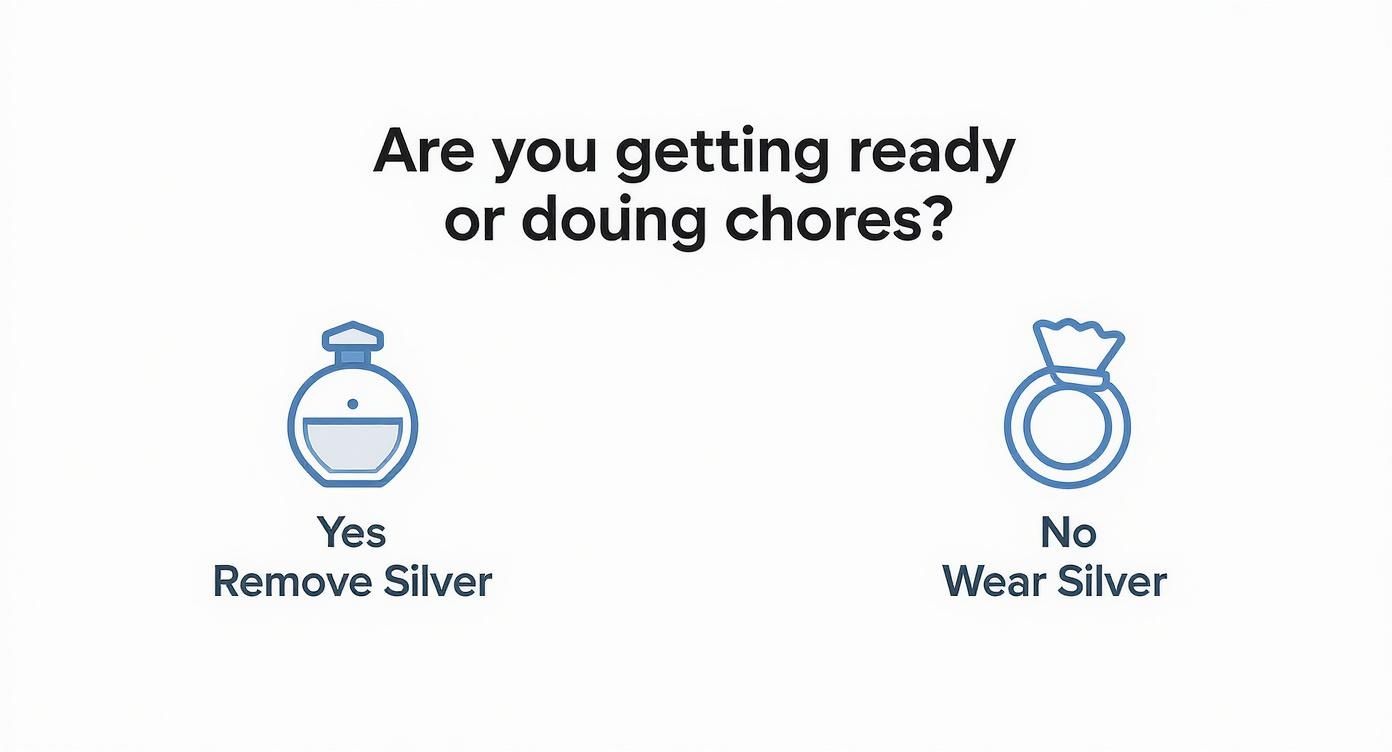
As this little guide shows, the golden rule is to take your silver off before doing chores or getting ready. It’s the easiest win in the fight against tarnish.
At-Home Protective Sprays and Wipes
For a quick and easy DIY approach, you can find anti-tarnish sprays and specially treated wipes pretty much anywhere. These products work by applying a thin, invisible film that seals the silver's surface, drastically slowing down its reaction with airborne sulphur.
They’re a great choice for intricate pieces with lots of nooks and crannies that are a nightmare to polish, or for silverware you want to keep on display without constant upkeep. This is a growing market, and for good reason. The UK’s anti-tarnish agent market is actually projected to grow at a compound annual growth rate (CAGR) of 6.6% through to 2035, which just goes to show how many people are looking for these user-friendly solutions. You can discover more insights about anti-tarnish agents on futuremarketinsights.com.
Just keep in mind that these DIY coatings are temporary. How long they last really depends on how often the item is handled or washed, so you’ll need to reapply them every so often to keep the protection topped up.
Professional Plating for Ultimate Protection
When you need the most durable, long-term solution, nothing beats professional plating. This is a process where we bond a layer of a non-tarnishing metal over your silver, creating a tough and permanent barrier.
- Rhodium Plating: This is the gold standard in the jewellery workshop, especially for fine pieces. Rhodium is part of the platinum family, making it incredibly hard and scratch-resistant. It gives silver a bright, crisp white shine that’s very similar to platinum and completely seals it off from the air. If you're curious about this, our guide explains how long rhodium plating lasts and what’s involved.
- Clear Lacquer (E-coating): Another professional option is a transparent, durable polymer coating that completely encases the silver. This is often used for decorative items or jewellery that doesn't see a lot of wear and tear, as it preserves the silver's natural colour while offering fantastic protection.
These treatments are an investment, no doubt. But for a cherished engagement ring or a piece of family history, the peace of mind they offer is priceless.
Comparing Silver Protection Methods
To help you weigh the options, here’s a quick breakdown of the different protective treatments. Each has its own place, depending on the item's value, how you use it, and how much maintenance you’re willing to do.
| Method | Best For | Pros | Cons |
|---|---|---|---|
| DIY Sprays & Wipes | Intricate items, decorative pieces, or a temporary protective boost. | Inexpensive, easy to apply at home, and good for hard-to-polish shapes. | Wears off with handling and washing; requires regular reapplication to remain effective. |
| Rhodium Plating | High-value jewellery, engagement rings, and pieces worn daily. | Extremely durable, scratch-resistant, provides a bright white finish. Long-lasting. | More expensive, must be done by a professional, and will eventually need replating. |
| Clear Lacquer (E-coating) | Decorative objects, silverware, or jewellery with minimal friction. | Preserves the natural colour of silver, offers a complete seal against tarnish. | Can be scratched or chipped with heavy wear, requires professional application and removal. |
Choosing the right method comes down to balancing protection with practicality. For a quick fix on a decorative bowl, a spray is perfect. For the ring you wear every single day, investing in rhodium plating is a decision you won't regret.
Safe Cleaning Methods to Prevent Tarnish Buildup
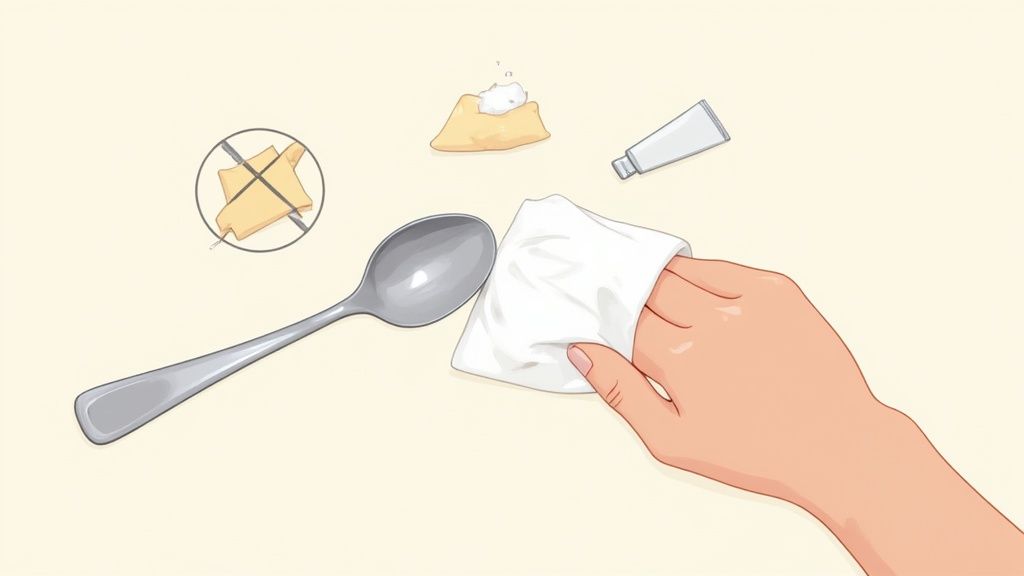
The best way to deal with heavy tarnish is to never let it form in the first place. Effective cleaning isn't about scrubbing away dark discolouration; it's about consistent, gentle maintenance that stops those chemical reactions from ever getting a foothold.
Think of it less as a cure and more as prevention. By regularly wiping away the invisible daily buildup of oils, cosmetics, and pollutants, you’re essentially starving the tarnish process. This is far kinder to your silver than aggressive, infrequent deep cleans.
The Gentle Soap and Water Method
For day-to-day cleaning, you rarely need anything more than a simple bath in warm water with a couple of drops of mild, phosphate-free washing-up liquid. It’s remarkably effective.
Let the piece soak for a few minutes, then use a very soft-bristled baby toothbrush or a cotton bud to gently get into any detailed areas. Rinse it well under cool, running water. And this is the crucial part: dry it completely with a soft, lint-free cloth. Any moisture left behind is an open invitation for tarnish to come right back.
Polishing Cloths: The Right Tool for the Job
A high-quality silver polishing cloth is a non-negotiable for any silver owner. These aren't just bits of fabric; they're clever two-part systems designed to clean and protect simultaneously.
Most have two distinct layers:
- The Inner Layer: This is treated with a very fine polishing compound. It gently lifts light tarnish and restores shine without scratching the metal.
- The Outer Layer: This is for the final buff. It brings out a high shine and removes any leftover polishing agent.
Using a proper polishing cloth is always better than grabbing an old t-shirt, which can have abrasive fibres that slowly dull the surface of your silver over time. For more professional techniques, have a look at our guide on the best way to clean silver jewellery.
One of the most pervasive and damaging myths is using toothpaste to polish silver. It seems to work at first, but toothpaste is an abrasive designed for tooth enamel. On a soft metal like silver, it creates thousands of tiny scratches that permanently dull the finish and give future tarnish even more surface area to cling to.
Dangerous DIY Myths to Avoid
The internet is full of silver cleaning "hacks," but many will cause irreversible damage. Along with toothpaste, you should avoid any harsh concoctions involving lemon juice, vinegar, or abrasive baking soda pastes. These acidic and abrasive methods can easily strip protective coatings and damage delicate gemstones set in your jewellery.
A Sensible Cleaning Schedule
How often you clean your silver really depends on how and when you wear it. A one-size-fits-all approach just doesn’t work. Instead, here’s a practical guide to follow:
| Item Type | Frequency of Wear | Recommended Cleaning Routine |
|---|---|---|
| Everyday Rings/Bracelets | Daily | Wipe with a soft cloth daily; gentle soap wash weekly. |
| Occasional Necklaces/Earrings | Weekly/Monthly | Wipe with a polishing cloth after each wear before storing. |
| Heirloom/Special Pieces | Rarely Used | Polish lightly before and after use; store meticulously. |
Following a simple schedule like this turns maintenance into a quick, easy habit instead of a major chore. It’s the single smartest way to stop tarnish from building up, keeping your silver looking brilliant for years.
Knowing When to Call in a Professional Jeweller
While you can handle most day-to-day silver care at home, there are times when DIY methods just won't cut it—or worse, could cause actual harm. Knowing when to step back and let an expert take over is a crucial part of looking after your silver for the long haul. It's about protecting your investment and safeguarding pieces that mean the world to you.
Sometimes, the tarnish is simply too far gone for a polishing cloth or a bit of soapy water. If you've found a piece that’s turned almost completely black or has stubborn, deep patches of discolouration, trying to scrub it clean at home is a recipe for scratches and an uneven, patchy finish. A professional jeweller has the right tools to safely bring even the most neglected silver back to life.
Delicate and Valuable Pieces Need an Expert's Touch
Some items should always go straight to a workshop, no matter how minor the tarnish looks. Trying to clean them yourself is a risk you just don’t want to take. The potential for damage is too high, and some mistakes are irreversible.
It’s best to get a professional opinion for:
- Antique Silver: Older pieces can be incredibly fragile. A good jeweller understands the specific alloys used in different eras and will use cleaning methods that preserve the item's integrity and its unique patina.
- Intricate Designs: Jewellery with detailed filigree, engraving, or complex patterns is a nightmare to get perfectly clean at home. We use ultrasonic cleaners and steam jets that can safely lift dirt from every tiny nook and cranny without causing damage.
- Items with Gemstones: This one is non-negotiable. Many gemstones—especially porous ones like pearls, opals, and turquoise—can be permanently ruined by commercial silver dips or even gentle homemade solutions. A professional knows exactly how to clean the silver without putting the stones at risk.
When you bring a piece to a jeweller, you’re not just paying for a clean. You’re paying for their expertise and access to equipment that’s far superior to anything you have at home. Professional-grade polishing lathes and buffing compounds restore that perfect mirror-like finish safely and effectively.
What to Expect at the Jewellery Workshop
A proper jeweller does much more than just polish. The first thing we'll do is thoroughly inspect your piece, checking for loose stones, worn prongs, or weak links you might not have noticed. This preventative check can save you from a lost stone or a more expensive repair down the line.
Next, we'll choose the right cleaning method for your specific item. For really stubborn tarnish, we might use a controlled chemical dip followed by a multi-stage buffing process. This approach removes the tarnish layer without stripping away the precious metal itself—a common risk with harsh DIY attempts. This level of care ensures your most valuable silver is not only beautifully restored but also protected for years to come.
At Opulence Jewellery Services, our Hatton Garden workshop is equipped with the latest tools to handle everything from deep cleaning to intricate repairs. Our experienced jewellers can bring back the brilliance to your most treasured silver pieces, often while you wait. Restore your jewellery's original shine and book your visit at https://www.opulencejewelleryservices.co.uk.