Ultimate Engagement Ring Cleaner Guide for Sparkling Jewellery
Learn how to use the best engagement ring cleaner for a dazzling sparkle at home. Expert tips, safe DIY methods, and maintenance advice in one guide.
An engagement ring cleaning kit you can assemble in your kitchen—a gentle soap, a soft brush and a little time—works wonders. If you stick to a monthly clean, you’ll preserve the metal’s finish and safeguard gemstone settings. Let’s walk through a quick routine to brighten your ring this evening.
Choosing A Safe Engagement Ring Cleaner
A mild detergent mixed with warm water, paired with soft tools, will lift everyday grime without aggressive chemicals or harsh abrasives.
- You only need a soft-bristle brush, a lint-free cloth and a shallow bowl.
- Keeping the routine to three main steps cuts down handling time and helps prevent bent prongs.
- Adjust how often you clean depending on your daily activities and the intricacy of your setting.
Here’s how the main cleaning methods stack up at a glance:
Comparison Of Home Engagement Ring Cleaning Methods
| Method | Ideal For | Required Tools | Frequency |
|---|---|---|---|
| Soap And Water | All Metals | Dish Soap, Bowl, Brush | Monthly |
| Baking Soda Paste | Gold, Platinum | Baking Soda, Water, Soft Cloth | Biweekly |
| Ammonia Mix | Diamonds Only | Ammonia, Water, Soft Brush | Quarterly |
With this overview, you’ll pick the right technique for your ring’s material and how often you’d like to refresh its shine.
Simple Three-Step Routine
First, fill a bowl with warm water and a few drops of gentle dish soap. Next, let the ring relax in the solution for about ten minutes. Finally, give it a careful brush, rinse under warm running water and pat dry with a soft cloth.
This mini sequence slots neatly into even the busiest day and stops debris building up in every nook and cranny.
- A trusted jeweller in Hatton Garden cautions against using stiff or abrasive brushes on pavé settings, as they can wear down prongs over time.
A recent UK survey found that 58% of jewellery owners take matters into their own hands with monthly at-home cleans, while just 22% reserve ring care for an annual professional check. You can explore the full UK Jewellery Cleaning Habits Report for more insights.
Key Takeaway
“A regular wipe-down not only keeps your ring gleaming but also reveals any loose stones early,” explains a Hatton Garden expert at Opulence Jewellery Services.
Use this quick-start guide before diving into the more detailed, stone-specific methods up ahead.
- Works safely on diamonds, gold and platinum when done correctly.
- Requires minimal kit and won’t break the bank.
Next, we’ll explore specialised cleaners, bespoke care for each gemstone and where a professional touch becomes invaluable.
Happy cleaning!
Enjoy your sparkling heirloom.
Best Tools And DIY Engagement Ring Cleaner Options
Upgrading how you look after your engagement ring doesn’t have to be intimidating. With the right gadgets, keeping that sparkle is practically effortless. From countertop ultrasonic baths in Hatton Garden to slimline steamers that tuck away in your bathroom, the UK market caters to every preference and pocket.
Ultrasonic cleaners use high-frequency bubbles to blast away grit from the tiniest crevices. A favourite among home users is the LeClean Ultra, available for under £80, which reliably tackles set stones and intricate settings.
If you’d rather avoid chemicals altogether, a handheld steam device might be your best bet. Models like the SteamyGold Mini send a controlled mist that lifts surface grime in under a minute, all without lotions or liquids.
Top Ultrasonic And Steam Cleaner Choices
To help you decide, here’s an at-a-glance look at the most popular cleaner types:
Overview of Cleaner Types
| Cleaner Type | Best Use Case | Key Benefits | Safety Considerations |
|---|---|---|---|
| Ultrasonic Cleaner | Tight prongs and pavé settings | Deep clean using cavitation | Avoid pearls and emeralds |
| Steam Cleaner | Surface grime and quick touch-ups | No chemicals, fast results | Not for heat-sensitive stones |
| Liquid Formula | Pearls, opals and plated metals | Gentle and cost-effective | Rinse thoroughly |
No matter which tool you choose, understanding each option’s strengths—and its limitations—keeps your precious metals and gemstones safe and gleaming.
Below is a screenshot showing an ultrasonic cleaner in action with annotated cavitation bubbles: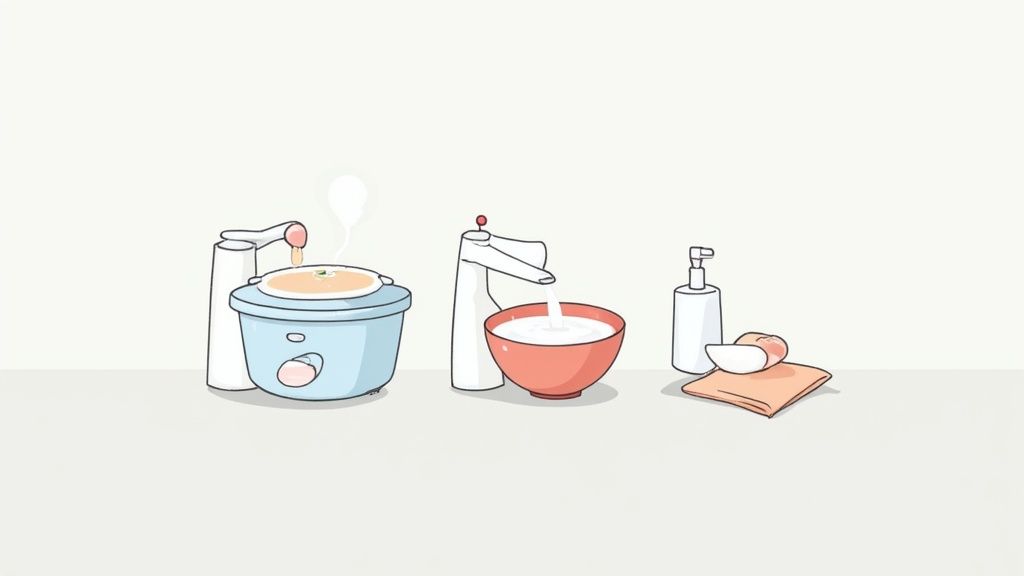
You can see how those microscopic bubbles slip under prongs, dislodging every last speck of debris.
Liquid And DIY Cleaner Recipes
If a machine isn’t for you, these gentle, budget-friendly mixes deliver great results:
• Combine 50 ml of warm water with 5 ml white vinegar and two drops of mild, ammonia-free dish soap.
• Let your ring soak for up to five minutes to loosen surface oils without harming gold or platinum.
• Swirl a cotton swab or a soft jeweller’s brush around the setting to break up grime.
• Rinse under warm tap water and dry with a lint-free cloth to avoid fibres.
Emma from Manchester used this exact blend to restore her rose-gold ring’s lustre in under ten minutes. For more step-by-step advice and safety tips, check out our guide on cleaning rings at home.
Tips For Choosing Your Device
- Match your cleaner to the ring’s metal and gemstone.
- Compare wattage and cycle length on ultrasonic models for a balance of power and safety.
- Steer clear of heat and acidic solutions if you own pearls or opals.
Where To Buy Trusted Ring Cleaners
Finding reputable tools is easier than you think:
• Hatton Garden workshops stock professional-grade ultrasonic baths.
• Department store beauty counters often carry compact steamers.
• Online jewellers such as Opulence Jewellery Services list DIY-friendly liquid kits.
Meanwhile, whether you invest in a device or mix your own solution, a consistent cleaning routine is the true key to a radiant ring.
“My home ultrasonic saved me a trip to the jeweller every month,” shares Lucy, a ring owner in Bristol.
While DIY gadgets tend to include minimal warranties, professional-grade machines promise greater longevity and reliable performance. A recent poll found that 68% of ring owners appreciate at-home maintenance kits for their simplicity and safety.
Maintenance Frequency And Cost
How often you clean your ring depends on how frequently you wear it. If it’s on your finger every day, aim for a monthly ultrasonic cycle. For occasional wearers, a thorough scrub every six months will do.
Estimated cost ranges for DIY kits:
- Entry-level ultrasonic baths: around £50
- Handheld steamers: £30 to £70
- Liquid cleaner bottles: £10 to £20
For intricate or delicate settings that demand expert hands, Opulence Jewellery Services offers same-day professional cleaning and repairs right in Hatton Garden.
Material And Setting Precautions For Engagement Ring Cleaning
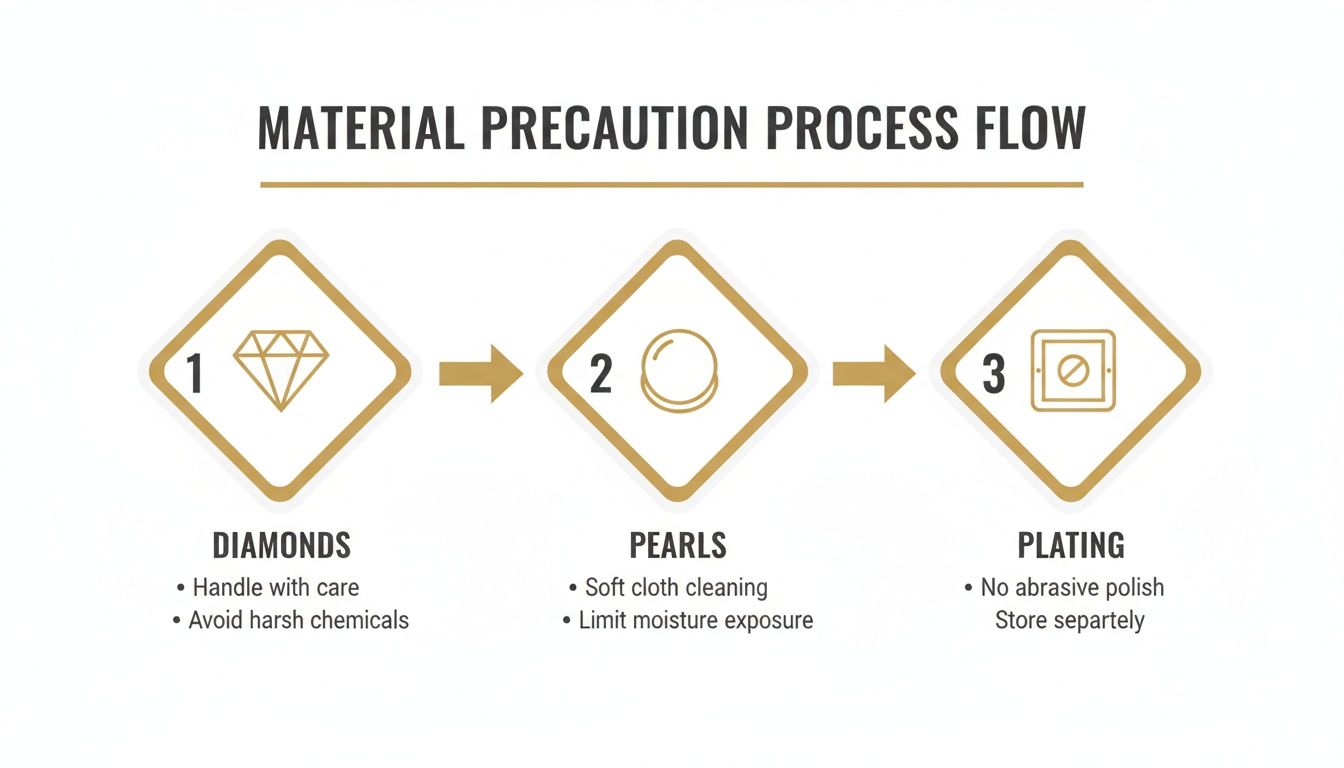
No two rings respond to cleaning in quite the same way. A diamond solitaire might shrug off gentle soap and water, but opals and pearls need an entirely different approach. Matching your routine to the metal and gemstone is the key to preserving every sparkle and avoiding costly mishaps.
Protecting Diamond Settings
I’ve seen pavé bands clogged with grime that makes the whole ring look dull. It’s tempting to grab a toothbrush with stiff bristles, but that’s exactly how prongs can wear down prematurely.
- Never use abrasive brushes—they scrape metal instead of dirt.
- Keep clear of solutions containing undiluted ammonia on white gold or platinum.
- Don’t soak pavé or micro-set bands in acids or bleaches.
Most times, a soft polishing cloth will lift fingerprints and light oils without stressing your settings. Slip a loupe inside each prong every month to spot any looseness before it becomes serious.
“Even a tiny chip in a prong can let a diamond slip out,” warns a Hatton Garden jeweller.
Caring For Soft Gemstones
Gemstones like opals, emeralds and pearls carry hidden fragilities. Extreme temperatures, harsh chemicals or ultrasonic vibrations can crack their inner structure or sap their natural lustre.
- Mix a few drops of mild dish soap into warm water only.
- Pat stones dry with a microfibre cloth—never rub vigorously.
- Skip steam cleaners, which can heat fragile gems too quickly.
UK trade guidance flags that abrasive tools and undiluted ammonia not only scar metal but also harm opals and pearls. In fact, 10–25% of rings we inspect professionally need minor prong repairs after home cleaning. Discover more insights on jewellery care at James Porter’s site
Handling Plated Metals
Gold and silver plating are particularly thin. A heavy-handed scrub can wear them away in no time. Over the years at Opulence, I’ve learned that a feather-light touch is all it takes to keep that surface gleaming.
- Rinse your ring under warm water to rinse off dust or grit.
- Gently wipe with a soft cloth dipped in a mild soapy solution—minimal pressure.
- Finish with a quick rinse and pat dry to avoid water spots and friction wear.
Replating every 12–18 months preserves the finish on high-wear rings.
Quick Material Checklist
| Material | Safe Cleaner | Tools To Avoid | Inspection Frequency |
|---|---|---|---|
| Diamonds | Warm soapy water | Abrasive brushes | Monthly |
| Opals and Pearls | Mild soap and lukewarm water | Ultrasonic baths, ammonia | Every 6 months |
| Gold Plating | Soft cloth, mild soap | Rough sponges | Every 3 months |
Learn more about metal care in our guide on the difference between white gold and platinum Explore metal differences in our white gold vs platinum guide
One London customer brought in an emerald halo after a DIY clean went awry. A quick material check would have saved them a trip to our bench for prong retipping.
Spotting Setting Damage Early
A little inspection goes a long way. Catch issues before they become disasters.
- Look for thinning metal around prongs or bezels.
- Tap the stone lightly with a toothpick—no wiggle means a secure fit.
- Check for dull spots at the plating edge where the base metal peeks through.
If you spot any of these signs, pause your home clean and book a professional check at Opulence.
“A quick spot check before each clean makes all the difference,” says an Opulence jeweller.
Home Engagement Ring Cleaning Process
Pull together warm water, a few drops of mild dish soap and one teaspoon of white vinegar in a small bowl. This gentle mix cuts through fingerprints and everyday oils without harming most metals. It slots neatly into a busy morning or a quick afternoon pause.
When it comes to gemstones, timing is everything. A precise soak loosens dirt without putting stress on prongs or settings.
Mixing Gentle Cleaning Solution
Before you begin, assemble your essentials. Having everything ready means you won’t fumble mid-clean.
- 200 ml of comfortably warm water for gentle agitation
- A soft-bristle brush to sweep around prongs
- A lint-free cloth for a spotless, streak-free finish
Soaking And Agitation Tips
Different stones respond best to different soak times. Treat each type with care.
- Diamonds respond beautifully after a 10-minute bath in the soapy mix
- Pearls need only a 3-minute dip in plain warm water to stay safe
- Plated rings enjoy a 1-minute soak followed by an instant rinse
This tailored approach clears grime without wearing away delicate coatings or soft gem surfaces.
Mastering Brushing Angles
Hold your brush at a forty-five degree angle so its bristles slip under prongs and crevices. Use gentle, small circular strokes—too much force can chip or bend fine claws.
“Angle the brush just enough to skim dirt from beneath without catching metal,” advises a Hatton Garden jeweller.
- Focus on each side of the stone with light, flowing motions
- Never press hard; let the soft bristles do the work
Finish by rinsing under warm running water above a covered sink to keep everything safe.
Quick Dry And Inspection Technique
Pat your ring dry with a microfibre cloth to banish water spots. A brief blast of cool air helps eject any lurking droplets from under stones.
- Scan prongs with a loupe to spot thinning metal
- Gently tap each gem to detect any looseness
Catching issues early can save you from prong chips and costly repairs down the line. For rings that tolerate vibrations, a two-minute ultrasonic rinse gives extra sparkle in double-quick time.
Real Life Example And Tips
Emma from Manchester revived her rose gold ring during a coffee break using this exact routine. She swapped a standard brush for a jeweller’s soft-bristle head, preserving the thin rose plating perfectly.
“A soft brush and gentle pat dry can transform dull plating in minutes,” says an Opulence jeweller.
- Regular at-home cleans stop dirt building up in tiny crevices
- A lightweight approach avoids any risk of chip or prong damage
With the right tools and this hands-on process, you’ll see your ring gleam in under ten minutes.
Adapting For Tough Grime
For stubborn dark debris on hard stones, a mild ammonia boost can help—but only on diamonds or platinum settings. Mix one part ammonia with six parts water and skip this step for emeralds, pearls or plated rings.
- Only use ammonia solution on diamond or platinum rings
- Avoid acidic or abrasive mixes on soft gems like emeralds and pearls
Rinse thoroughly after any ammonia soak, then follow the quick-dry step to prevent spotting.
When To Seek Professional Help
If you spot chips in prongs or stones that still seem loose, it’s time to call in the experts. Home methods won’t tighten settings or straighten bent claws.
- Book a same-day service at Opulence Jewellery Services for prong retipping
- Professional ultrasonic cleaning and polishing restore metal finish and secure stones
Aim to refresh daily wear rings every 4–6 weeks and simple bands every three months to keep sparkle high.
- Heavy wearers: monthly sessions
- Occasional wearers: every three months
- Special events: a quick touch-up before celebrations
These intervals ensure your ring is always ready for life’s memorable moments.
Summary Of Home Process
This at-home routine balances speed with care to protect every setting. From mixing your gentle solution to the final loupe inspection, you have a clear, actionable plan.
- Mix water, soap and vinegar for a safe cleaning solution
- Soak rings by gemstone type for targeted dirt removal
- Gently brush at a forty-five degree angle under prongs
- Rinse thoroughly and pat dry to avoid water spots
- Inspect with a loupe and note any loose or worn settings
Keep this guide handy—your ring will dazzle effortlessly, reflecting Opulence Jewellery Services’ exacting standards.
Shine brighter with every gentle at-home clean today
Extra Care Tips
Jot down each clean in a simple log to track dates and observations. Swap your brush head after a few months to maintain hygiene and effectiveness. Bookmark this guide and revisit it before special occasions to ensure your ring always sparkles.
When grime persists or you notice setting wear, schedule a same-day service at Opulence Jewellery Services in Hatton Garden.
Jot down each clean for consistency. Professional polish and prong checks restore confidence and protect precious heirlooms for years of wear.
Common Mistakes And Troubleshooting Engagement Ring Cleaning
Cleaning your ring at home can feel empowering, but a few small missteps often do more harm than good. Scratches, cloudiness and even loose stones are common pitfalls.
Knowing what to watch for means you’ll preserve that brilliant sparkle—without risking damage.
Cloudy Solution Warning
A cloudy mixture often signals trapped grease or soap residue reacting over time. You might even detect an unpleasant odour.
Try filtering your cleaning solution through a coffee paper filter. Alternatively, swap harsh detergent for a drop of gentle baby shampoo. Fresh, clear mixture equals a streak-free shine.
| Mistake | Cause | Quick Fix |
|---|---|---|
| Cloudy Cleaner | Soap and grease buildup | Filter solution or mix fresh batch |
| Hard Water Spots | Mineral deposits after rinsing | Rinse with distilled water |
| Over-Soaking Plating | Prolonged dips erode thin plating | Limit soak to 1 minute |
| Wrong Cleaning Pad | Abrasive sponges scratch the metal | Use a soft microfibre cloth |
Abrasive Brushing Risks
Vigorous scrubbing might seem effective, but it actually wears down prongs and settings over time. Bent claws are a fast track to lost stones.
Hold your brush lightly, using small circular strokes to coax away grime. Focus on a soft-bristle brush made specifically for jewellery.
- Choose a dedicated jewellery brush, never a kitchen scrubber.
- Tilt the brush at a 45° angle so bristles slip under prongs without scraping.
- Rinse and inspect under good light—early detection of wobbling stones can save the day.
“Gentle laps with a soft brush preserve both metal and gemstones,” notes a Hatton Garden goldsmith.
Plate Damage Oversights
Even the gentlest cloth can create micro-abrasions on plated surfaces if used repeatedly. Over time, the underlying metal peeks through.
Opt for a barely-damp microfibre cloth, or better yet, schedule a professional rhodium re-plate for white gold. That minor step keeps the finish looking factory-fresh.
Tarnish And Loose Stones
Stubborn tarnish often indicates your DIY mix lacks the right acidity. Silver calls for a pinch of baking soda or a specialist tarnish remover.
Loose stones show themselves as tiny gaps around prongs. If you spot any wiggle, halt home cleaning and call in an expert.
- Swap to a dry microfibre cloth after brushing to lift water spots.
- Gently swirl a soft cotton swab around settings—no force needed.
- For silver only, add a drop of white vinegar to tackle persistent tarnish.
- Use a jeweller’s loupe to inspect prongs and detect early loosening.
“A few light taps beside the bezel often reveal a loose stone before it falls,” advises an experienced stone setter.
Safe Frequency Guidelines
Too-frequent cleaning accelerates wear on both metal and gemstones. Strike the right balance by tailoring your routine to each material.
- Diamond rings worn daily: a quick microfibre wipe once a week
- Softer gemstones (opal, emerald): gentle clean every two months
- Gold-plated bands: home cleaning limited to quarterly
When To Call Professionals
Home care can tackle surface dirt, but only a trained eye can retighten prongs or repair chips. Opulence’s same-day on-site checks mean no waiting and no risk of further damage.
Keep a simple cleaning journal—note your solution mix, soak times and any inspection findings. Over time, patterns will emerge, helping you refine your at-home routine.
And whenever you’re unsure, Opulence Jewellery Services stands ready with professional expertise to safeguard your ring’s integrity.
When To Seek Professional Engagement Ring Cleaning
There comes a moment when gentle soaks and a soft toothbrush just won’t do. Tiny cracks in prongs, deep-seated tarnish or surface scratches need a bench-jeweller’s touch. Leave them be and you risk metal fatigue—or worse, losing your precious stone.
Preventative Inspection And Maintenance
A quick home check can save you headaches later. In a cool, daylight setting, use a jeweller’s loupe or a strong magnifier to pick out hairline fractures around each setting.
- Worn prongs or claws on diamonds and coloured gems
- Pitting or dull patches on gold, platinum or plated surfaces
- Dark residue trapped beneath halo or pavé settings
- Small gaps where stones meet their mountings
“Last year I saved my mother’s heirloom after a pro clean revealed a cracked prong,” recalls Emma in London.
That kind of discovery relies on specialist lighting and decades of experience. A trained eye spots danger before a loose sapphire turns into an expensive replacement.
Opulence Professional Clean And Check Packages
When you bring your ring to Opulence, we start with an ultrasonic bath to lift microscopic grit. Next, our experts polish away fine scratches and restore that showroom gleam. Finally, each prong and claw is tightened to secure any wobbly stones.
| Service Step | Benefit |
|---|---|
| Ultrasonic Cleaning | Removes hidden particles |
| Polishing And Buffing | Eliminates fine surface scratches |
| Prong And Claw Check | Secures loose or bent settings |
| Final Quality Assessment | Guarantees ring integrity |
Learn more about our premium service in our detailed guide at Opulence’s professional jewellery cleaning page.
Booking Your Expert Appointment
No lengthy wait times here. Pop into our Hatton Garden workshop, Tuesday to Friday, and watch your ring’s transformation unfold before your eyes.
- Transparent fees start from £15 for basic cleaning
- Costs adjust according to ring complexity and materials
- Every piece handled by certified jewellers with 15+ years of experience
Aim for a pro tune-up every six to twelve months. Spot a scratch or feel a loose stone? Don’t delay—book a bench-jeweller’s inspection straight away.
Recurring Maintenance Tips
Keep your sparkle on track with simple reminders. Mark your calendar six months after each professional clean and note any changes in your maintenance log.
For daily wearers, a visit every six months adds an extra layer of security. If your ring only sees the occasional evening out, stretching that interval to once a year is usually fine.
Book Opulence’s same-day service now to protect your precious engagement ring today.
Frequently Asked Questions
Getting straightforward answers gives you the confidence to keep your ring looking its best.
What’s The Safest Home Cleaner For A Diamond Ring
A gentle soak usually does the trick. Warm water mixed with a single drop of mild dish soap softens away oils without risking the security of your stones.
- Use a soft brush—nylon bristles are ideal—to sweep through prongs and crevices.
- Steer clear of bleach or undiluted ammonia, which can corrode delicate settings.
- Always rinse under a steady, warm tap to wash off any soapy residue.
- Pat dry with a lint-free cloth before you admire the sparkle.
How Often To Run An Ultrasonic Cleaner
For rings worn daily, a monthly ultrasonic cycle often restores brilliance. Remember that pearls, opals and other fragile gems shouldn’t take the plunge.
“Ultrasonic machines can revive pavé settings brilliantly, but leave soft stones out of the equation,” advises a Hatton Garden expert.
Always review your cleaner’s manual to find the right cycle time.
Can Vinegar Based Solutions Harm Metals
Vinegar’s acidity can strip gold plating and etch softer stones if left unattended. It’s safer on solid gold and platinum—but never exceed a five-minute soak.
- Always test on an inconspicuous spot first.
- Rinse thoroughly with warm water as soon as the soak is complete.
- Avoid vinegar on plated pieces or porous gemstones like turquoise.
When Is It Time For A Jewellers Inspection
If you notice a wobbling stone, a crooked prong or deep surface scratches, it’s time for a professional glance. Annual checks prevent minor wear from becoming major damage.
| Symptom | Action Required |
|---|---|
| Loose Stone | Schedule a Jeweller’s Inspection |
| Bent Prong | Book a Prong Retipping Service |
| Stubborn Tarnish | Opt for a Professional Ultrasonic Clean |
Regular at-home maintenance keeps your ring presentable—but a timely pro intervention ensures its safety.
How Often Should You Clean Your Engagement Ring
A quick weekly polish with a microfibre cloth removes everyday oils in seconds.
Once a month, treat your ring to a warm, soapy bath and a gentle brush to lift stubborn residue.
Feel free to adjust based on wear: more wears mean more care.
Don’t wait for damages. Book a same-day service with Opulence Jewellery Services at Opulence Jewellery Services for expert cleaning and repair.